

Quick answer: Solubility depends on ingredient identity and the intended formulation system. Test a small portion using supplier guidance before committing an entire batch.
Begin with the exact material
A free peptide, a salt, a copper complex and a palmitoyl peptide can behave differently. Ask for the exact identity and available solubility information. A formulation instruction written for a prepared ingredient solution may not apply to the corresponding dry raw material.
Define the application conditions
Tell the technical team about the base, target pH, carrier system, temperature exposure and desired peptide content. These constraints help identify an appropriate evaluation route. Avoid choosing a solvent solely because it dissolves the powder if that solvent does not fit the intended cosmetic product.
Make the sample test informative
Record the addition order, mixing conditions, appearance, pH and observations over time. A clear solution at the first observation does not guarantee compatibility after the remaining ingredients are added. Compare an appropriate control base to understand whether a change is associated with the ingredient or the complete formulation.
Define what happens next
If the material does not dissolve as expected, document the exact conditions and consult the supplier. Do not keep escalating temperature or changing pH without a technical basis. An agreed procedure should become part of the formulation record and be reassessed when the composition changes.
Technical references
References explain background principles. They do not verify the specifications or certification status of Hytanbio products.
Move the project forward
Use this guide to frame a cosmetic formulation or procurement brief. Review the product collection, document requirements and OEM workflow. For a specification review, contact Hytanbio.
Related reading
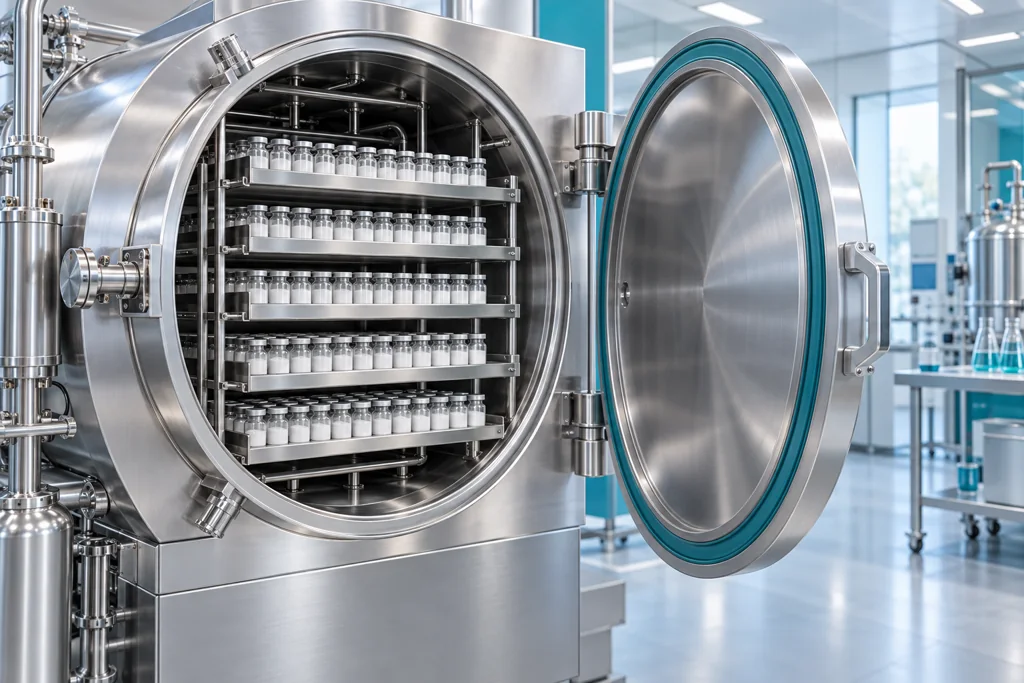
Freeze-Dried vs Lyophilized Peptide Powder
Freeze dried and lyophilized describe the same drying process. The useful comparison is the material specification: ingredient identity, peptide content, excipients and packaging.
Read guide →How Cosmetic Peptide Freeze Drying Works
Freeze drying combines freezing, primary drying and secondary drying. A useful process is designed around the specific formulation and verified against defined quality targets.
Read guide →
Peptide Purity vs Peptide Content: Read Both
HPLC purity, net peptide content and total powder weight answer different questions. A sourcing specification should state the measurement method and calculation basis for each.
Read guide →