
Cosmetic ingredients · Bulk supply · OEM / ODMCosmetic peptide
Cosmetic peptide
freeze dried
powder.
Cosmetic grade peptide freeze dried powder for your next skincare formulation. From a single ingredient to a complete private-label vial kit.
SINGLE PEPTIDES / CUSTOM BLENDS / VIAL KITS
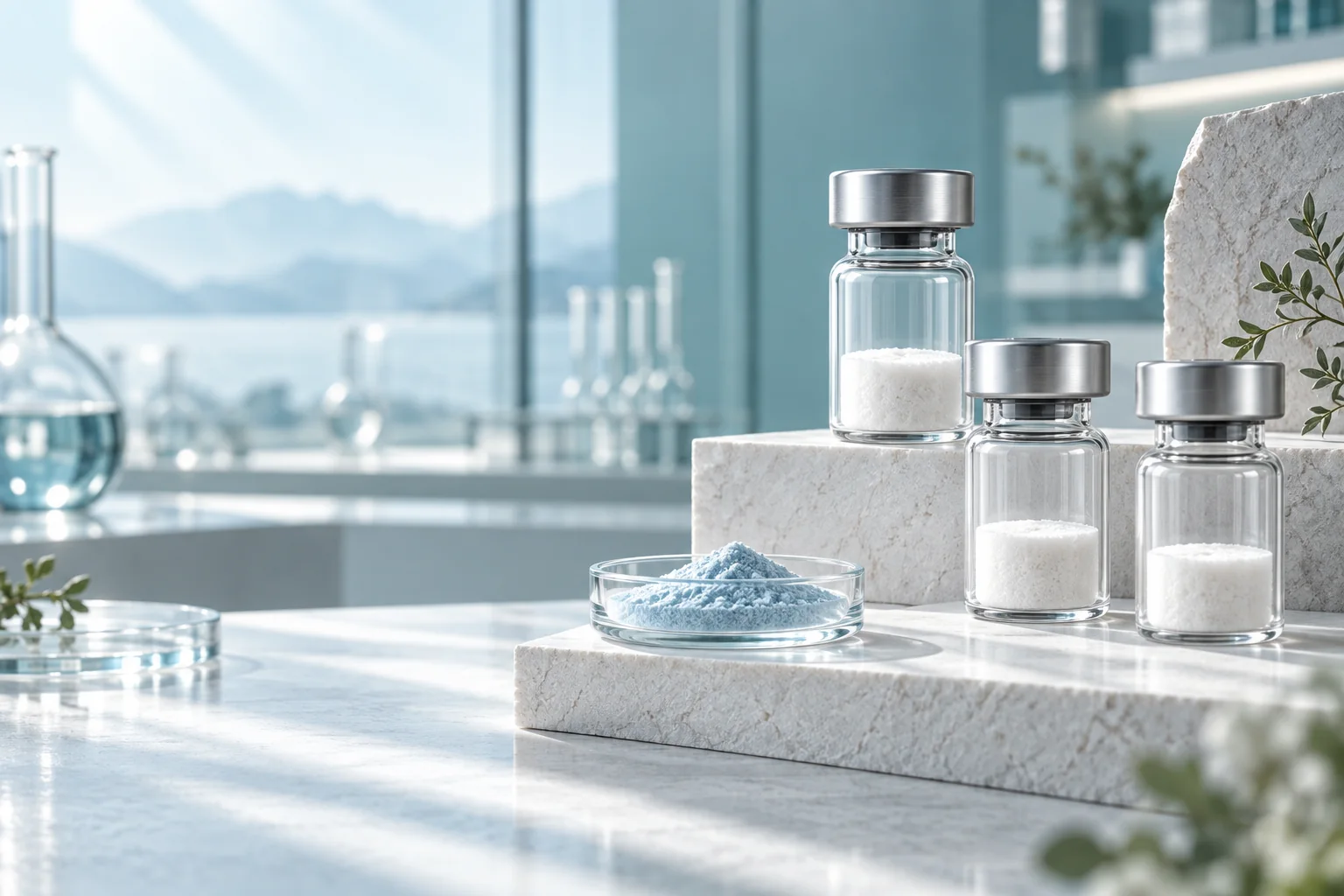
Designed around your briefFrom ingredient to finished format.Explore bulk powder, custom fill weights and private-label packaging.
The ingredient collection
Find the right peptide family.
Explore cosmetic peptide powder by formulation role, then align the exact ingredient, specification and format with your project.
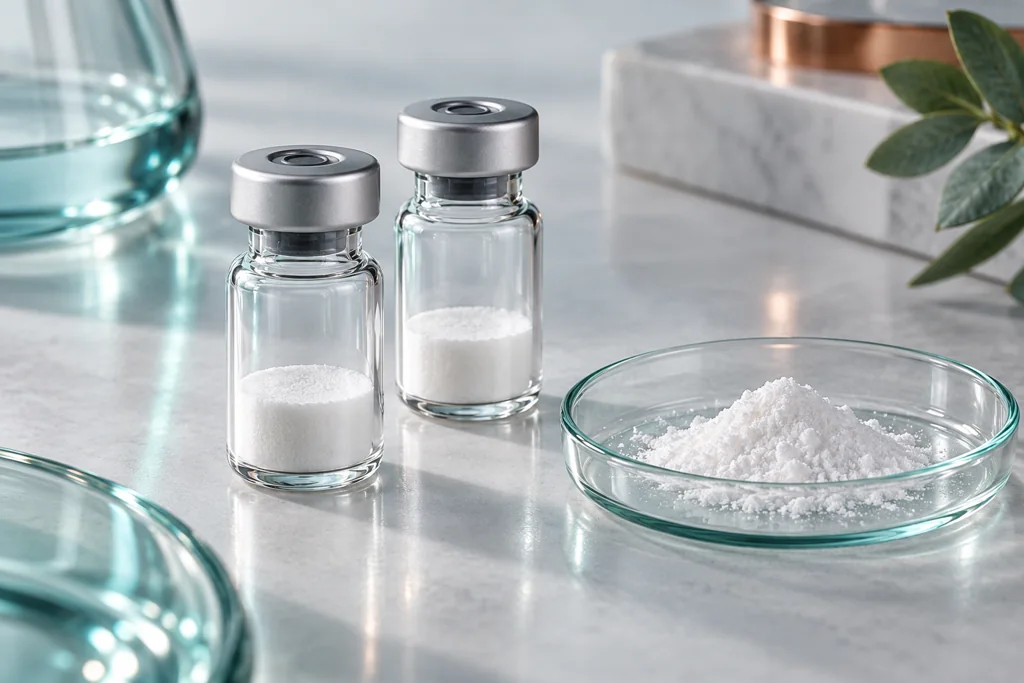
Cosmetic neuropeptides
Acetyl peptide options for expression-line skincare concepts.
Explore collection →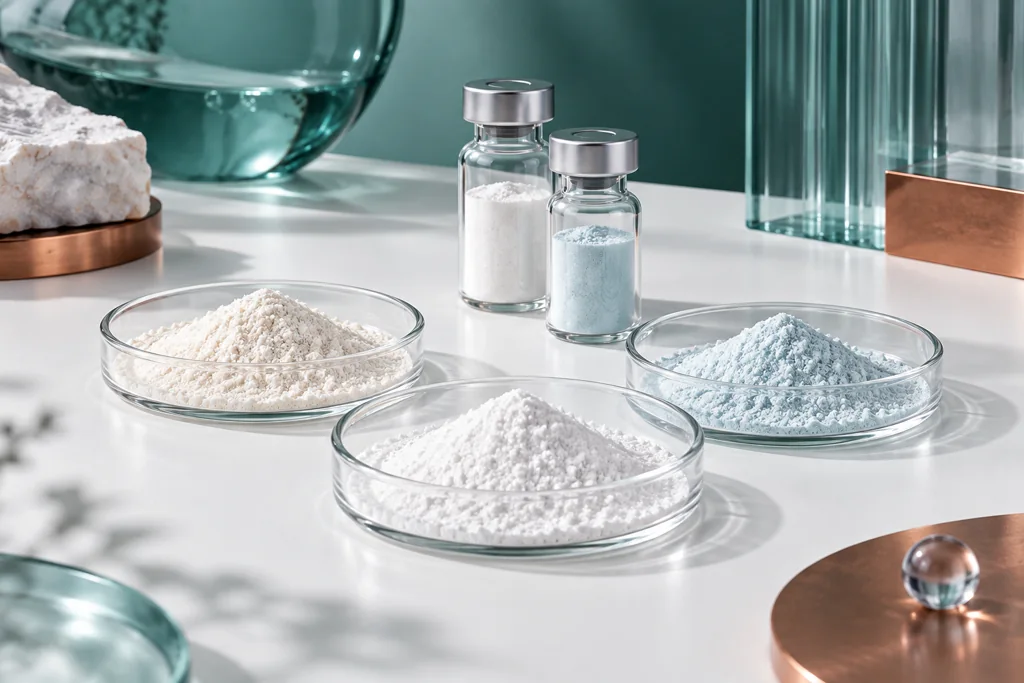
Start with a defined ingredient
View all products →Featured freeze-dried peptides.
Copper & Care Peptides
GHK-Cu Freeze Dried Powder
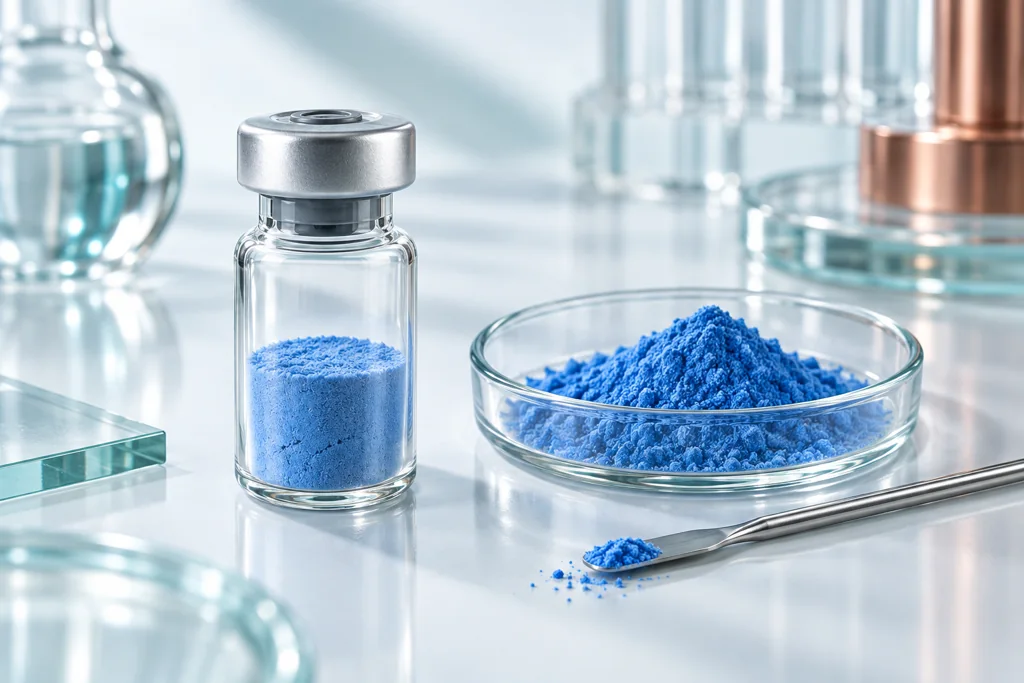
Copper peptide GHK-Cu is a blue cosmetic ingredient for topical care formulation projects. Specify the copper complex and peptide identity rather than treating every blue powder as equivalent.
View specifications →Specification & MOQ confirmed with quotation
Request quote →Cosmetic Neuropeptides
Acetyl Hexapeptide-8 Freeze Dried Powder
An acetyl peptide ingredient for skincare concepts addressing the appearance of expression lines. Freeze-dried powder and a ready-to-use cosmetic solution have different composition and handling requirements.
View specifications →Specification & MOQ confirmed with quotation
Request quote →Signal Peptides
Palmitoyl Tripeptide-5 Freeze Dried Powder
A palmitoyl peptide for firmness-oriented cosmetic formulation development. A freeze-dried format offers a starting material for project-specific compatibility evaluation.
View specifications →Specification & MOQ confirmed with quotation
Request quote →Signal Peptides
Palmitoyl Tetrapeptide-7 Freeze Dried Powder
A cosmetic palmitoyl peptide that may be considered individually or as one component of a multi-peptide skincare blend.
View specifications →Specification & MOQ confirmed with quotation
Request quote →Cosmetic Neuropeptides
Acetyl Octapeptide-3 Freeze Dried Powder
A cosmetic acetyl peptide for topical skincare development and custom freeze-dried vial projects. Buyers may encounter this ingredient when comparing SNAP-8 peptide specifications.
View specifications →Specification & MOQ confirmed with quotation
Request quote →Multi-Peptide Blends
Multi-Peptide Firming Blend Freeze Dried Powder
A custom anti-aging peptide blend concept for cosmetic products focused on the appearance of firmness and smoothness. Composition is developed from the formulation brief.
View specifications →Specification & MOQ confirmed with quotation
Request quote →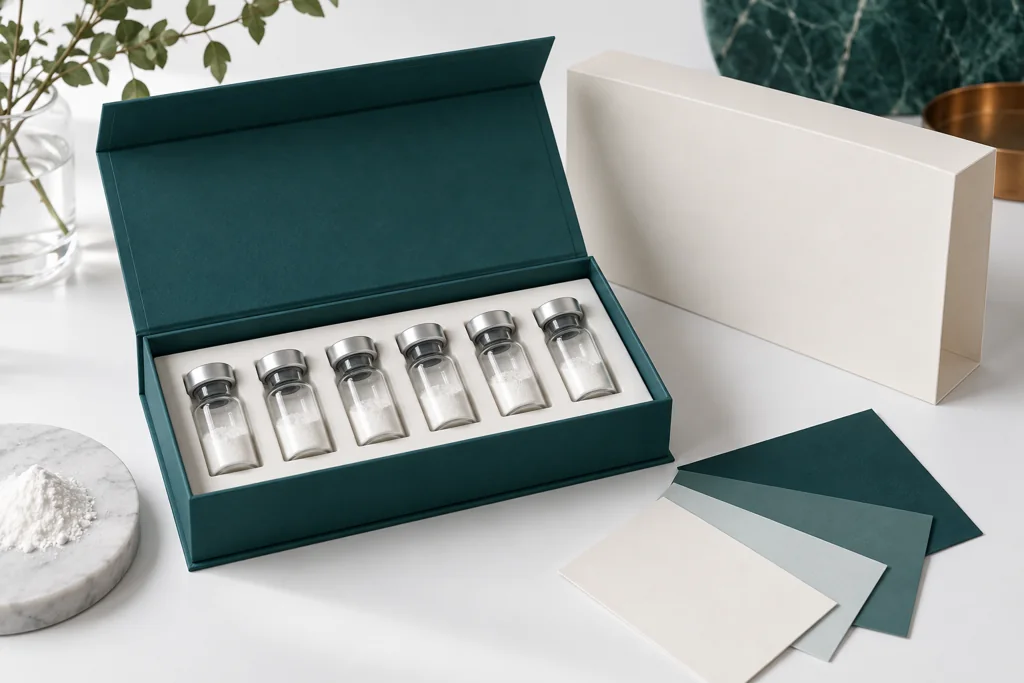
Your formula. Your format. Your brand.
A clearer path from powder to private label.
Build a cosmetic lyophilized peptide project around the decisions that matter: composition, peptide content, fill weight, compatibility and packaging.
- Single ingredients or custom multi-peptide blends
- Bulk packs, custom vial filling and presentation kits
- Sample evaluation before commercial specification approval
- Artwork, document and dispatch coordination
A practical development workflow01 02 03 04 05
Every step has a clear deliverable.
Share your brief
Define the ingredient, use, market and quantity.
Align the specification
Review identity, purity method, content and format.
Evaluate a sample
Check compatibility and packaging in your application.
Approve production
Confirm the agreed specification and artwork.
Review & dispatch
Match batch documents to the released shipment.
Quality you can evaluateAsk better questions.
Ask better questions.
Make better sourcing decisions.
A purity number is only one part of a peptide specification. Review identity, peptide content, residual moisture and the supporting analytical method together.

The knowledge centre
Browse all guides →From technical questions to clear decisions.
Technical resource
Freeze-Dried vs Lyophilized Peptide Powder
Freeze dried and lyophilized describe the same drying process. The useful comparison is the material specification: ingredient identity, peptide content, excipients and packaging.
Read guide →Technical resource
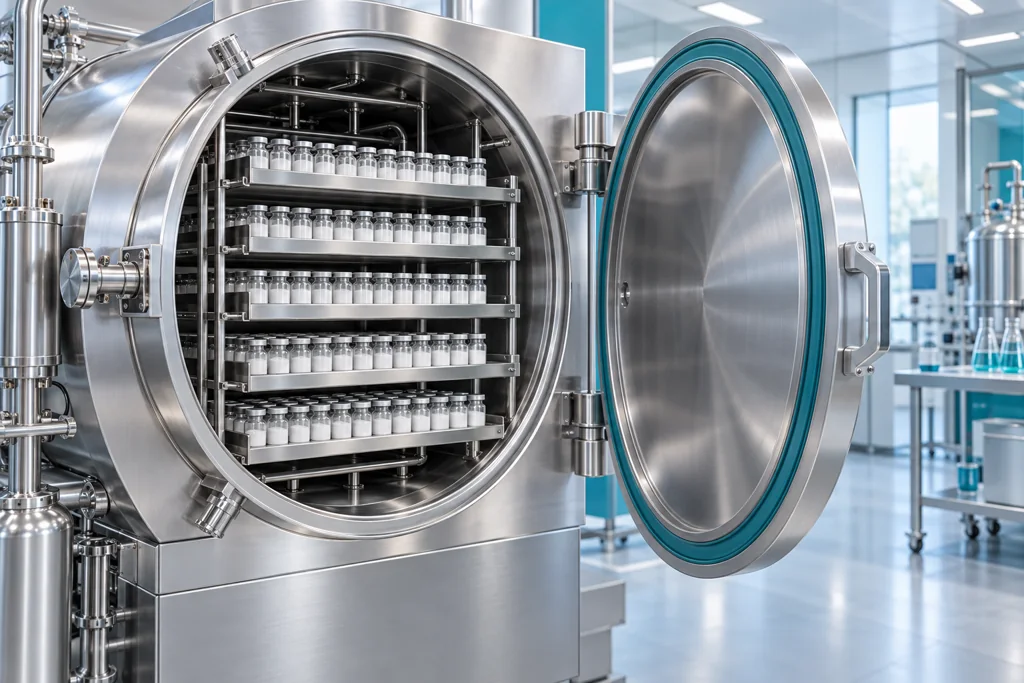
How Cosmetic Peptide Freeze Drying Works
Freeze drying combines freezing, primary drying and secondary drying. A useful process is designed around the specific formulation and verified against defined quality targets.
Read guide →
Technical resource
Peptide Purity vs Peptide Content: Read Both
HPLC purity, net peptide content and total powder weight answer different questions. A sourcing specification should state the measurement method and calculation basis for each.
Read guide →What is the MOQ for peptide freeze dried powder?
MOQ depends on the ingredient, agreed specification, pack size and whether the project requires a new blend or custom filling. Send your preferred quantity for a project-specific quotation.
Can you support private-label peptide vials?
Discuss fill weight, peptide content, excipients, vial closure and artwork together. The sample and final production specification should be approved before a commercial run.
How should lyophilized peptides be stored?
Follow the batch label and technical data sheet. Keep containers sealed and control moisture, light and temperature. There is no universal storage temperature or shelf life for every peptide.